
Crew Cab vs. Extended Cab: Buyers’ Guide
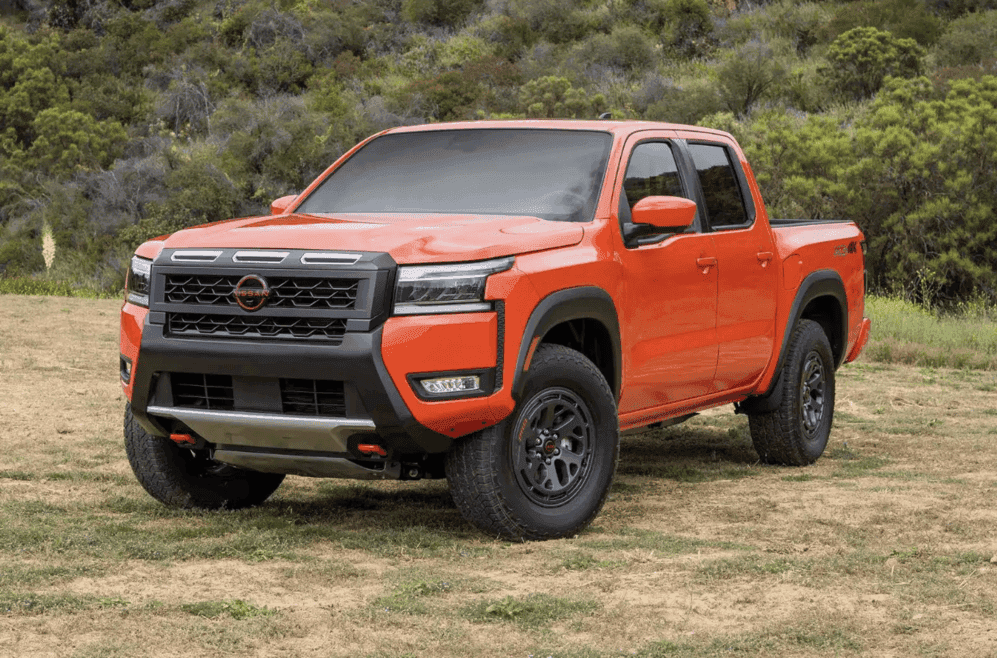
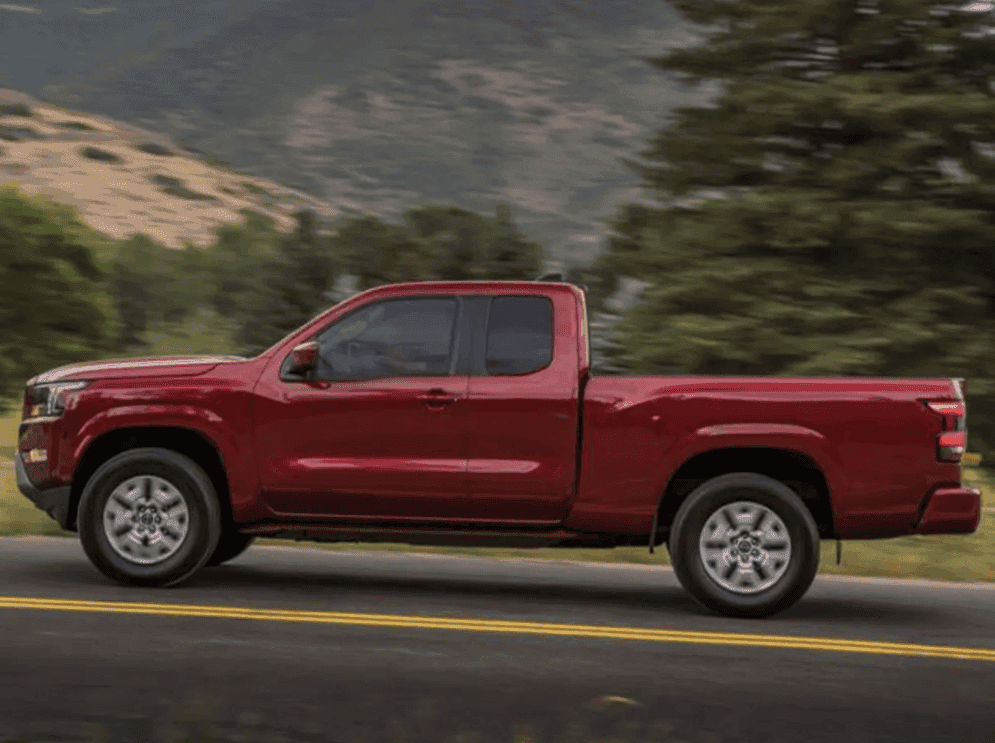
Photo Source/Copyright: Edmunds (left) Kelley Blue Book (right)
Hardly anyone walks onto a lot and spots a window sticker reading “extended cab.” The term lives in search bars, which is why sorting out crew cabs versus extended cabs trips up truck shoppers. Every brand renames the setup, and a few badges collide. Nissan was already building four-full-door Frontier trucks back in 2000, well before that layout became the showroom default. Labels first, then.
Same Idea, Different Badges
Strip away the marketing, and modern truck makers offer the same two-tier choice wearing different badges:
- Nissan: King Cab and Crew Cab
- Ford: SuperCab and SuperCrew
- Chevrolet: Double Cab and Crew Cab
- Ram: Quad Cab and Crew Cab
Toyota is where things get slippery. On a Tacoma, “Double Cab” refers to the four-door crew cab, the exact opposite of Chevrolet’s usage.
Doors and Cab Access
A myth worth retiring: extended cabs don’t all rely on backward-opening rear doors. Some do, some don’t. Crew cab doors swing forward independently on regular hinges, exactly like a sedan, so strapping a toddler into a car seat or letting a coworker climb in requires zero parking-lot choreography.
The Frontier King Cab takes the opposite approach, using rear-hinged doors without a center B-pillar. Swing both open and you get an uninterrupted, wide-open gap. It’s ideal for tossing a tool bag, sliding a cooler, or stacking lumber offcuts flat onto the floor.
Who Rides in Back?
This is where cab decisions actually get settled. A crew cab gives adults a back seat they won’t dread on a two-hour drive. In the Frontier, that means a 60/40-split bench seating three, complete with flip-up cushions and a removable under-seat tray.
Extended cabs trade second-row legroom for utility. The King Cab uses two forward-facing jump seats that fold flat against the cab wall, turning the back into enclosed, dry cargo space.
| Feature | Frontier King Cab | Frontier Crew Cab |
|---|---|---|
| Rear Seating | Two flip-up jump seats | 60/40 bench (seats 3) |
| Rear Doors | Rear-hinged, no B-pillar | Forward-hinged |
| Bed Length | 6 ft. standard | 5 ft. (6 ft. on select trims) |
| Available Trims | S | S, SV, PRO-X, PRO-4X |
Bed Length, Towing, and Price
Lighter cabs mean more capacity out back. The rear-drive Frontier King Cab carries the highest payload rating in the lineup, while towing limits between both cabs are essentially a wash.
Price is where the split occurs. A King Cab S runs about $1,400 less than an identically equipped Crew Cab S. That comparison is clean: trim and drivetrain match, meaning that extra $1,400 buys a back seat passengers will willingly occupy.
Bed dimensions matter, too. The King Cab comes standard with a 6-foot bed. The Crew Cab starts with a 5-foot box, reserving the 6-foot bed for select trims. Pair that King Cab with its standard 6-foot bed, and you get serious hauling room while parking a shorter overall truck.
Picking for Your Week
Commute solo and haul dirty gear out of the weather? The King Cab makes complete sense, and that $1,400 savings easily buys a quality bed cover. However, if you carry a jobsite crew, manage carpools, or ferry visiting family, get the Crew Cab. Climb into both at our lot and see which fits your week.
More From Vision Nissan Greece
Altima SR Review: Fast Looks, Daily Comfort
Photo Source/Copyright: Edmunds Nissan trimmed the Altima lineup down to two versions, quietly rewriting the job description for the Altima SR. It isn’t the sporty middle child anymore; it’s the flagship. That’s a genuine promotion, and the car earns it with a tighter chassis, a massive center screen, and two packages pulling it…
What To Expect: 2027 Nissan Z Nismo
Photo Source/Copyright: NISSAN USA When Nissan introduced the Z Nismo for the 2024 model year, the hardware seemed promising on paper: 420 horsepower, a sharper chassis, and functional aerodynamic bodywork. Then came the official spec sheet reveal, and the sports-car enthusiast community let out a collective sigh. No clutch pedal. For a halo badge…
Everything You Need About Nissan Z Horsepower
Photo Source/Copyright: NISSAN USA Four hundred horsepower: that’s where the conversation starts on the Nissan Z. Every Z leaves the factory with a twin-turbocharged V-6 feeding the rear wheels, and even the base version delivers more pure muscle than several sports cars wearing significantly pricier badges. However, what’s the real story behind Nissan…